
The past two years have been a sugar rush for crypto. The industry got nearly everything it wanted regulation-wise, asset prices reached eyewatering highs, and institutions finally began adopting crypto in a genuine way. But with animal spirits subsiding, crypto is entering its “prove it” era. The tech and regulation are production-ready. Blockchains are now proving their value for businesses, assets, and consumer experiences.
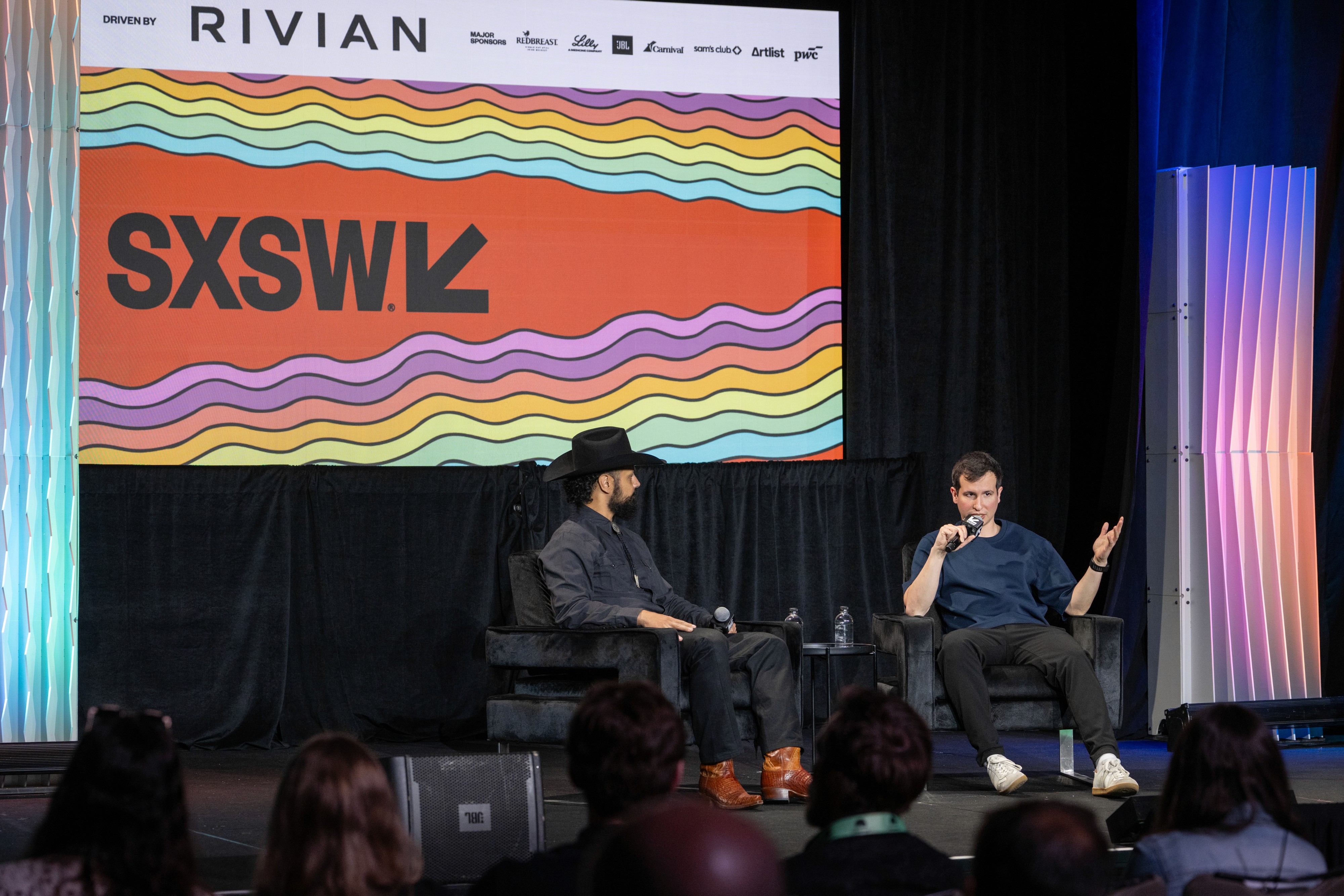
At SXSW 2026 in Austin, Foundation Capital GP Rodolfo Gonzalez sat down with Pedro Miranda from The Solana Foundation for a conversation about where crypto is headed next — and how builders are making it happen. Scroll down for the full video plus our top takeaways from the conversation.
Watch the video:
01:15 – Pedro’s background and why crypto matters
03:00 – Democratizing access beyond Wall Street
07:30 – Real-world use cases (travel, risk hedging)
09:00 – Why founders matter more than the tech
11:30 – Making prediction markets usable for everyone
14:30 – Travel as a new market category
17:00 – Creator economy and microtransactions
24:30 – “Buy now, pay never” explained
27:00 – NFTs, meme coins, and what actually survived
30:00 – Crypto cycles and why now might be the best time to build
38:00 – Why crypto still matters long-term
42:30 – Crypto meets AI: wallets, commerce, and more
51:00 – Ads vs transaction-based internet
55:00 – Final thoughts: how we’ll get there
What we learned from the discussion
Prediction markets are ripe for experimentation
Pedro argues that prediction markets open up space for experimentations within market niches. Hobbyist meteorologists could use prediction markets for waging bets on the weather, and investors could go long or short on matcha sales at a specific coffee shop.
“Say you have some data — listen, I really don't think that iced matcha is actually going to be a hit this year — the ability to speculate on that instead of going long/short actually creates a more perfect market instead of having to rely on binary options.”
Builders welcome
For a long time, the ambitions of crypto builders bumped up against the reality of crypto tech. Early blockchain products were often expensive, clunky, and slow, but that’s no longer true, Pedro shares.
“A lot of it is possible from a technological perspective but we actually need great founders tackling these problems.”
Stablecoins are going to get way more interesting
Rodolfo believes there is a big opportunity for new stablecoins to emerge for custom use cases. From ecommerce marketplaces to creators, it makes sense for more entities to deploy their own stablecoins for purposes like loyalty programs and yield.
“The world won’t end with Tether and Circle as the two stablecoin winners forever.”
Clear regulation is enabling experimentation
A “vibe shift” from regulators has widened crypto’s Overton Window in the US. Businesses are once again interested in experimenting with the ways they choose to implement crypto rails, Pedro explains.
“Now [founders] can actually build onshore in the United States. But I think more importantly they can experiment.”
New opportunities for the creator economy
Using the example of microtransactions, Pedro makes the case that a permissionless blockchain environment gives creators more flexibility in the ways they can interact with their fans.
“Through Solana you can derisk platform risk…You enable economic activity that not only creators but everyone can uniquely benefit from when you don't have to rely on a centralized player.”
Buy now, pay never?
Yield generated in DeFi doesn’t need to stay stagnant. When asked about a “buy now, pay never” plan, Pedro outlines an idea for consumers to pay for real world goods using yield generated from onchain investments.
“You essentially have the funds up front put into a [contract]… that earns yield either through treasuries or through native staking of Solana…and that yield effectively pays for that product — whether it be coffee, whether it be an Amazon order further down the line.”
AI agents will now have social context
When AI agents choose how to use crypto, they are doing so with tons of social context — including the community loyalties and on-chain preferences of users on platforms like X. Pedro thinks agents will ultimately transact on censorship-resistant open blockchains like Solana.
“[AI agents] are inheriting the same inputs as humans.”
Crypto monetization can disrupt the internet’s reliance on ad revenue
Crypto products can rely on trading fees, particularly from whales, for revenue. Then users wouldn’t see ads. Some wouldn’t even need to trade, since the lion’s share of revenue would come from power users, Pedro explains.
“We're seeing a lot of folks, a lot of platforms come to us and express interest in transitioning from an ad-based monetization model to a trading fee model where you can actually just get rid of ads.”
Photo credit: Jason Bollenbacher